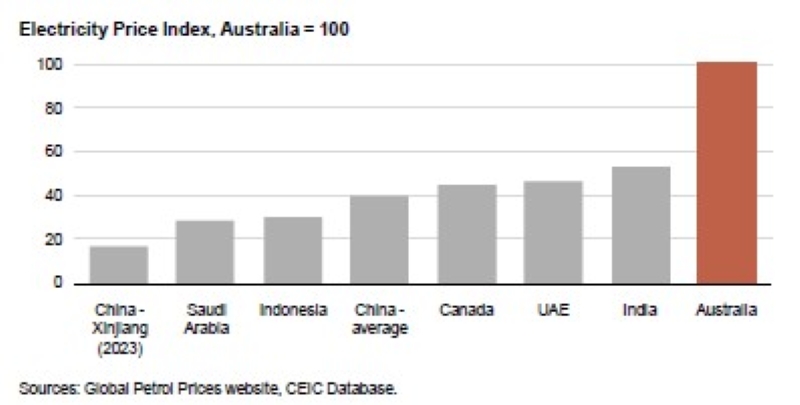
The Australian Aluminium Council is urgently calling out the challenges the vertically integrated industry faces as our Members navigate increasingly interventionist energy, industry and trade policies across the global arena. Despite Australia’s world-class endowment of bauxite, a strong alumina refining base and proximity to Asian markets, the industry has been steadily losing ground over the past 15 years. Global competitors are expanding capacity with state backing, subsidised energy and strategic industrial policies, placing Australia at a clear disadvantage. Australia has relied on commercial cost structures and market-driven investment, leaving its producers exposed on an uneven playing field – and it is now clear that market forces alone are not enough to sustain this sector in the face of state-backed competition.
Without decisive action, Australia risks losing not just competitiveness but the foundation of its value-added industry – with significant economic and geostrategic consequences. To safeguard national interests and jobs, the integrated aluminium sector needs urgent, coordinated action across energy, industry, environment, trade and resources policies so Australia can secure its role in global supply chains and continue to deliver significant economic and strategic benefits. Unlike many international competitors, Australia’s refineries and smelters face volatile, market-linked energy prices. The immediate challenge for government and industry alike is to restore Australia’s competitive energy advantage and, in doing so, re-establish its attractiveness for large industrial customers such as the aluminium value chain.